Spectral Landscapes
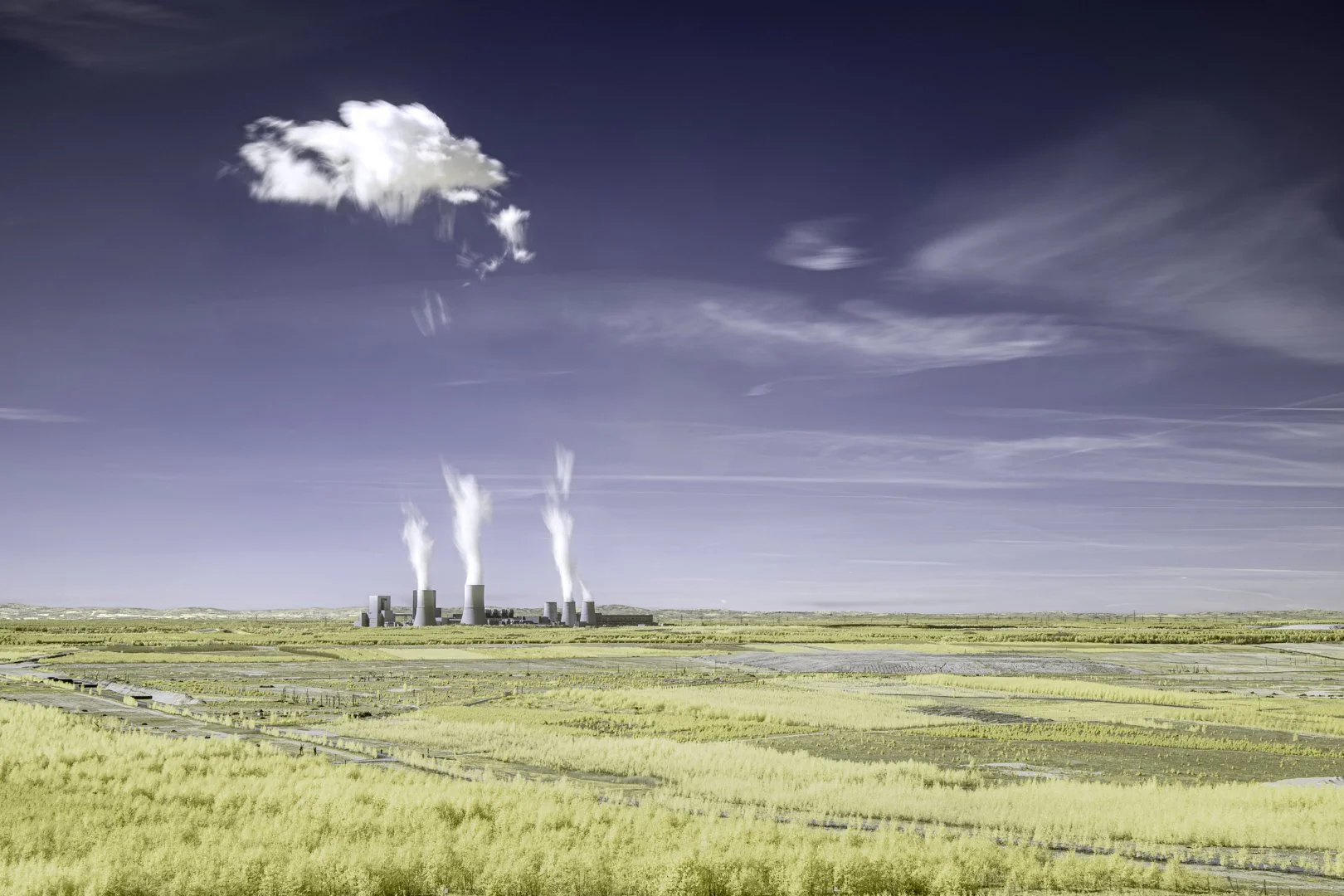
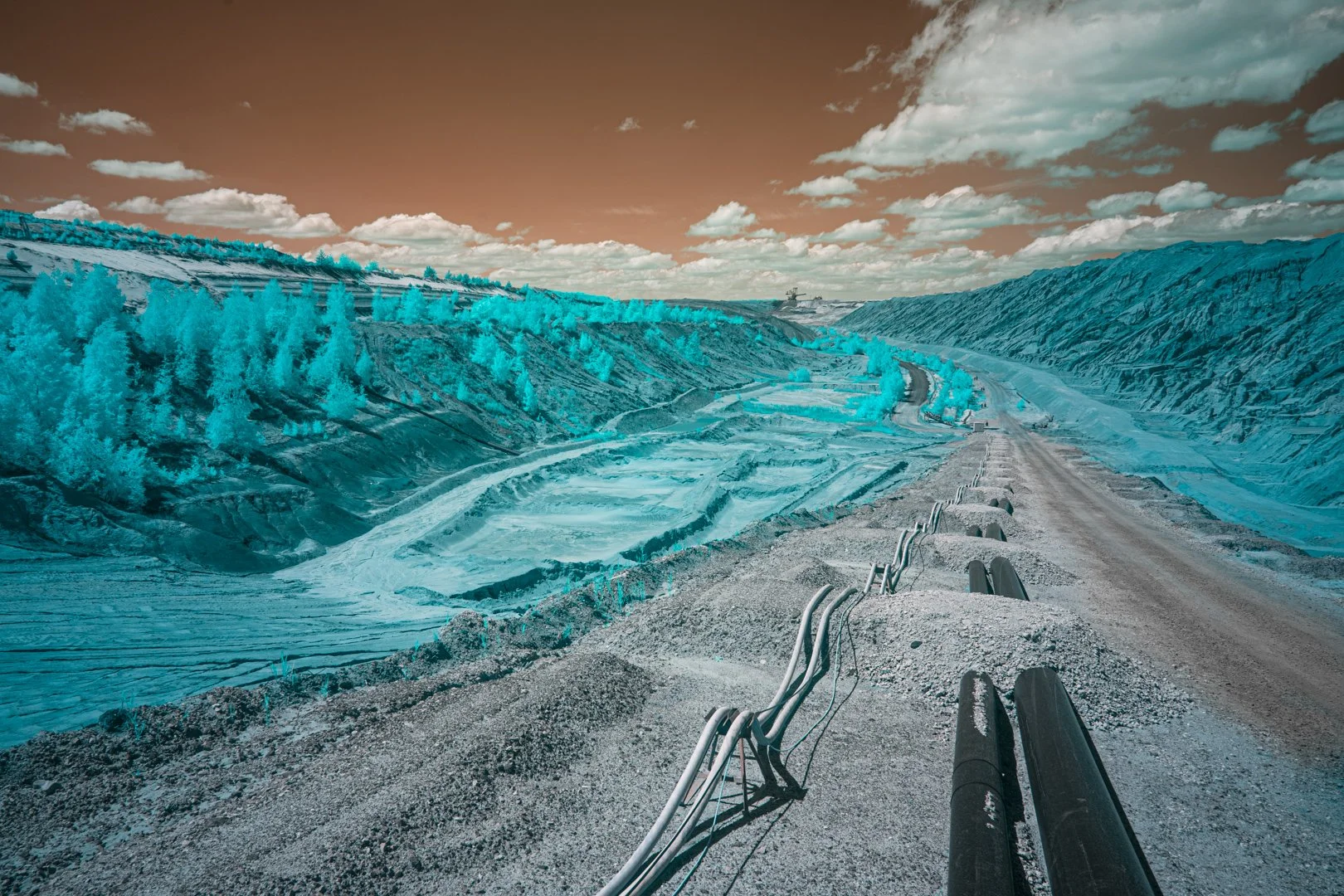
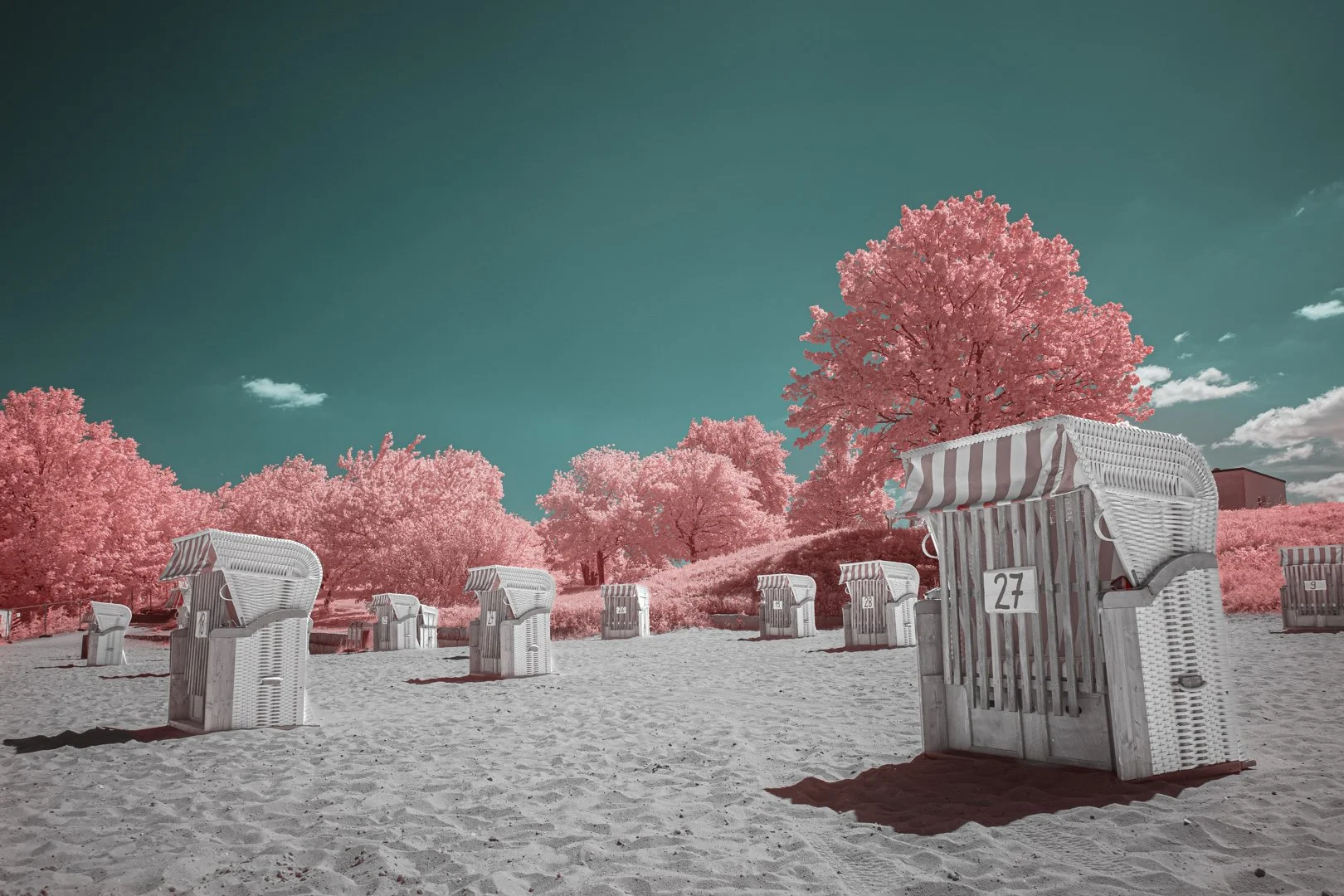
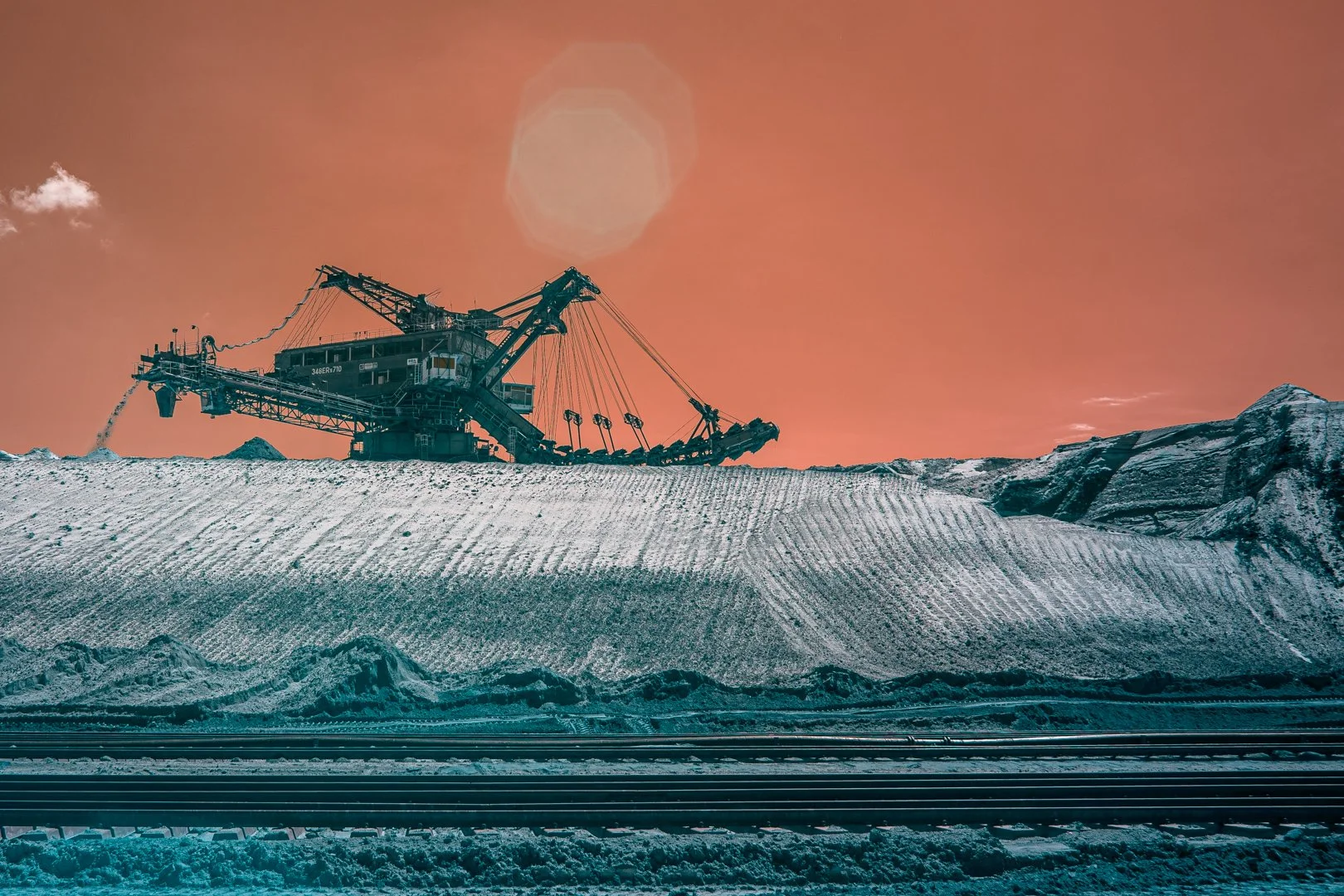
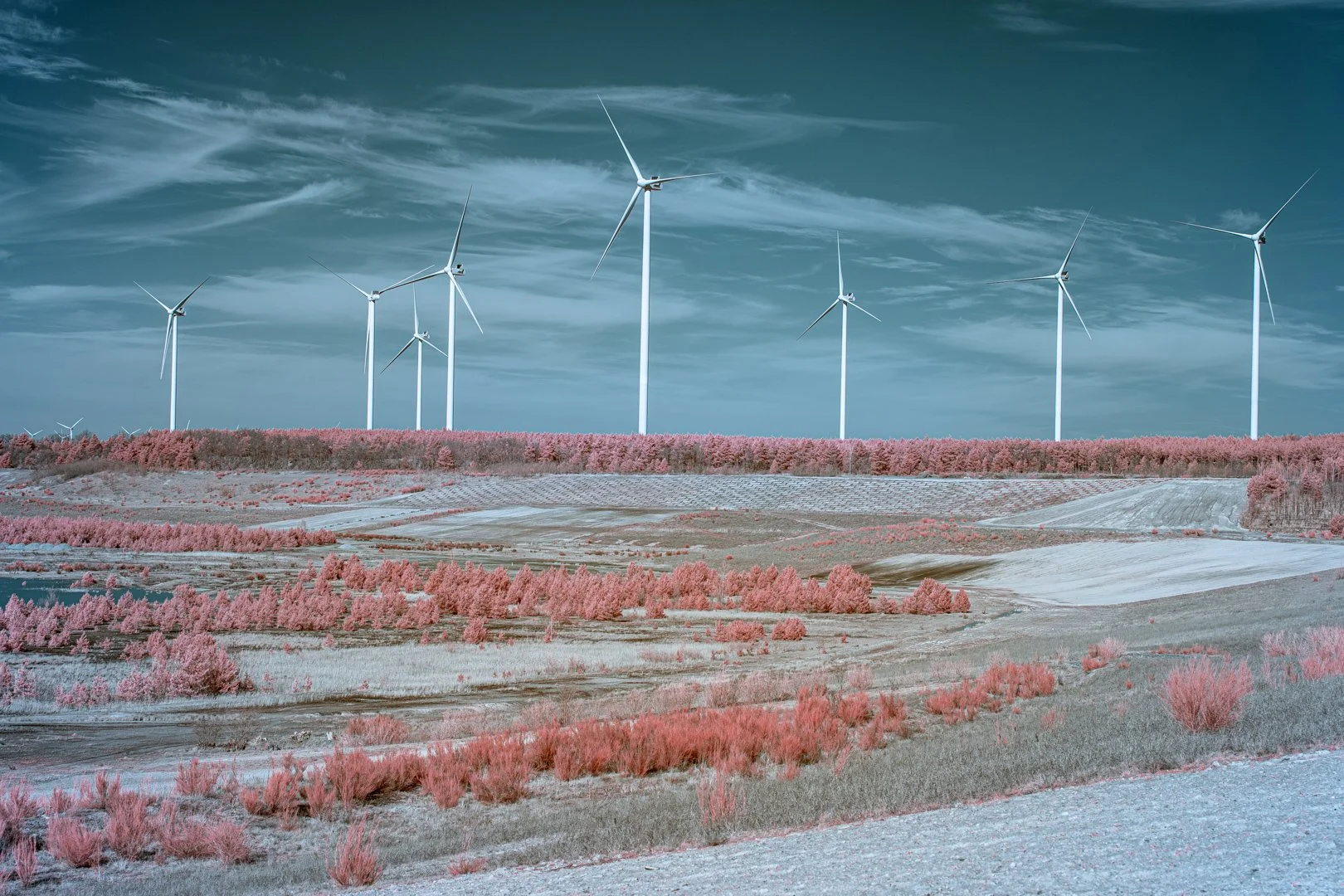
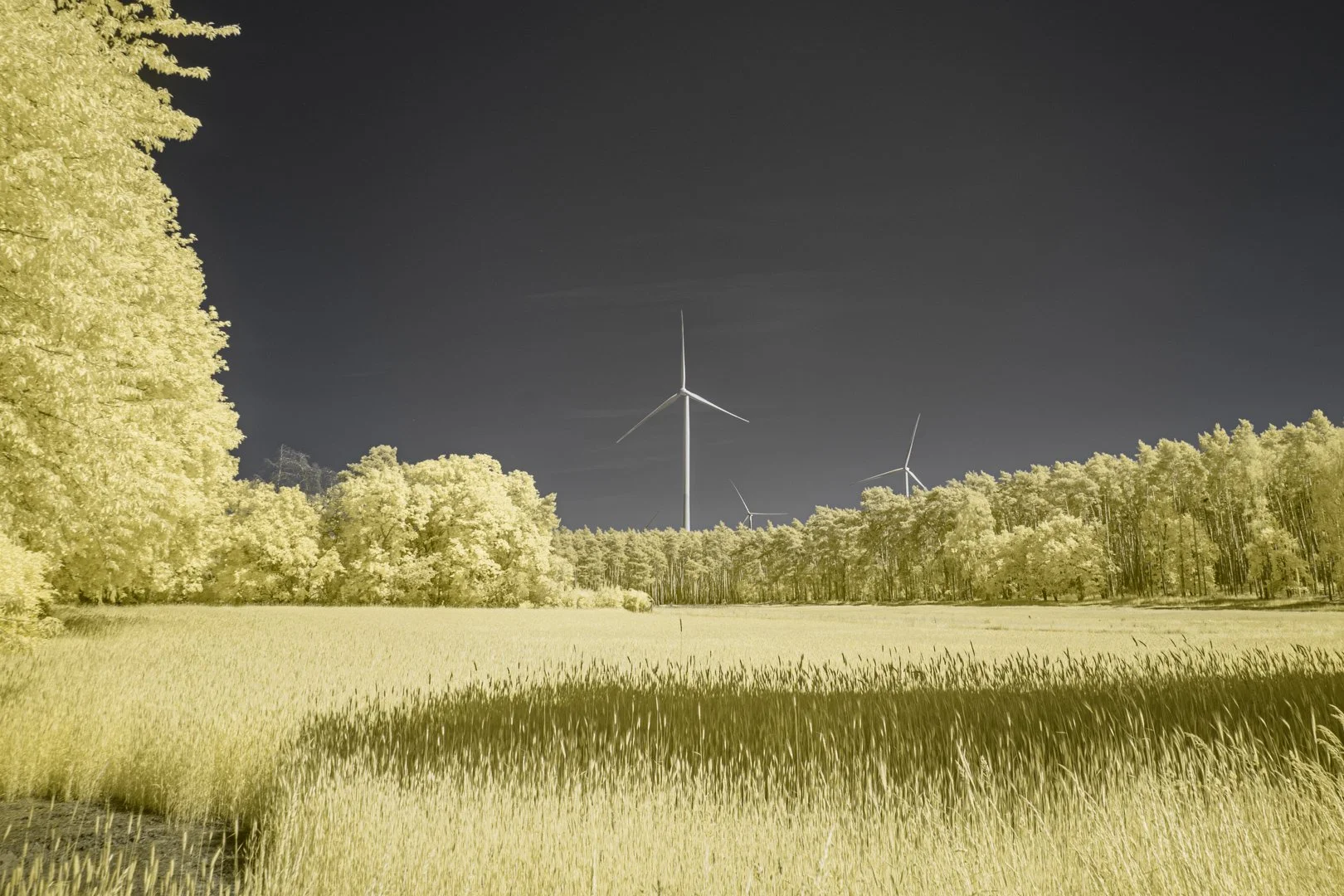
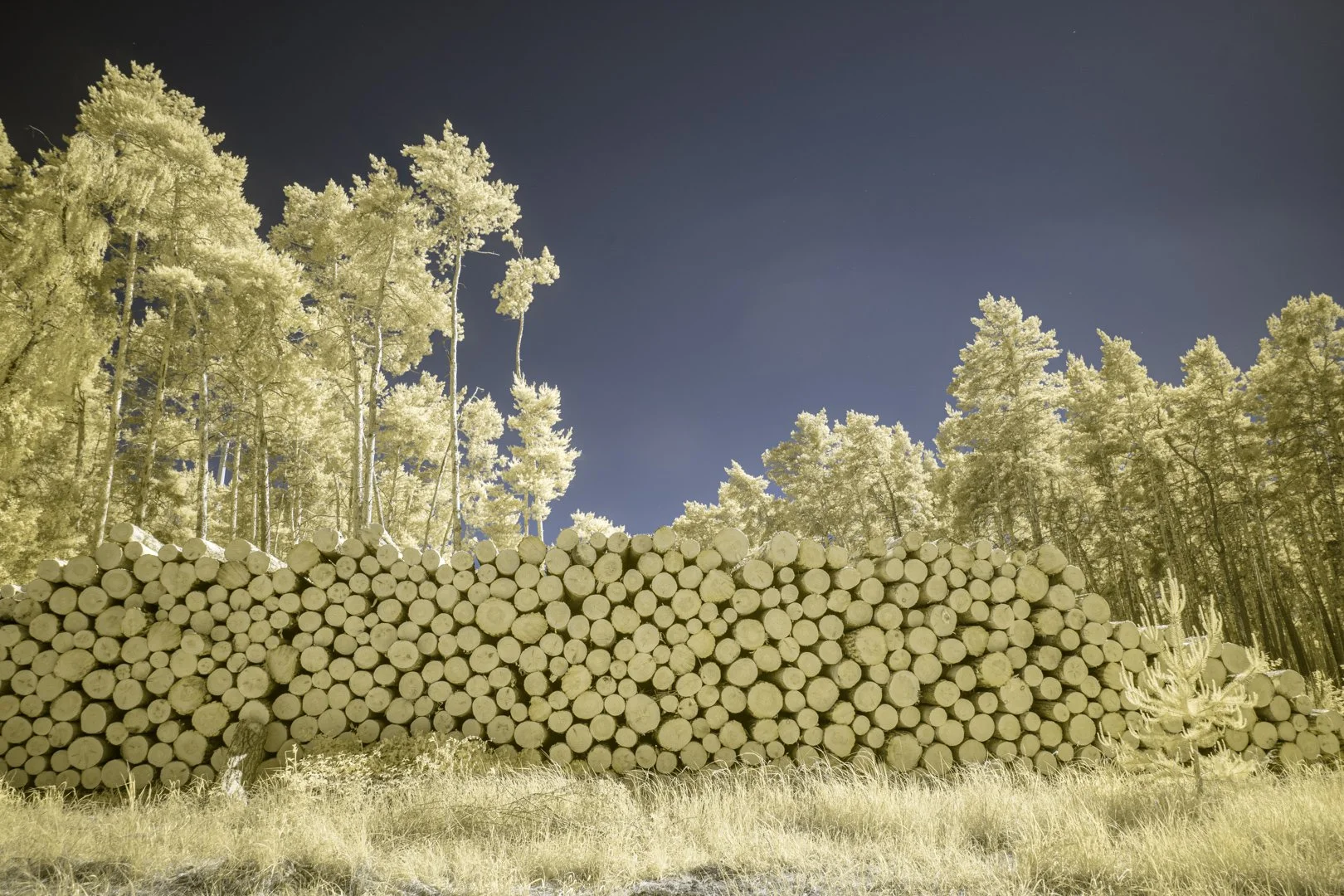
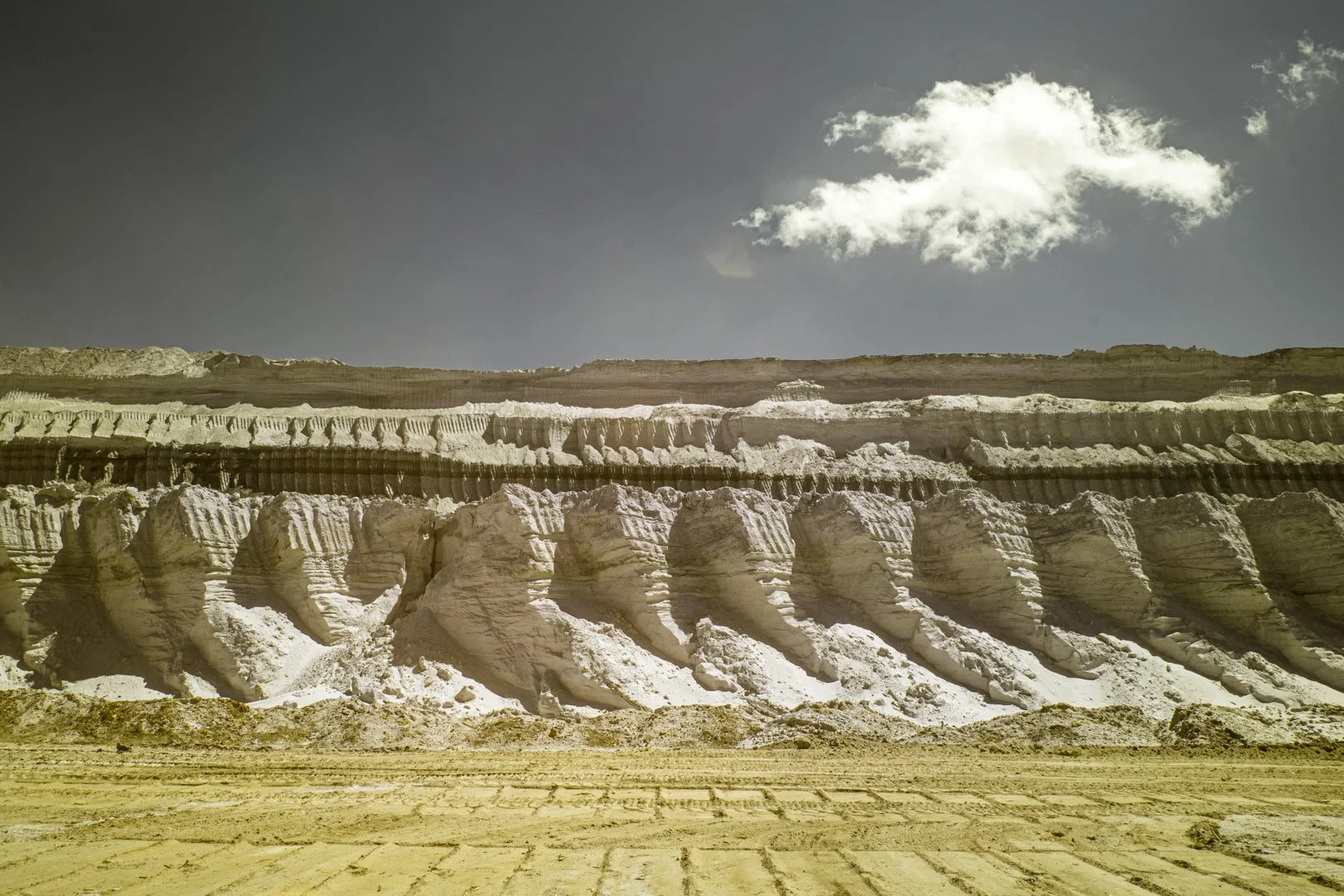
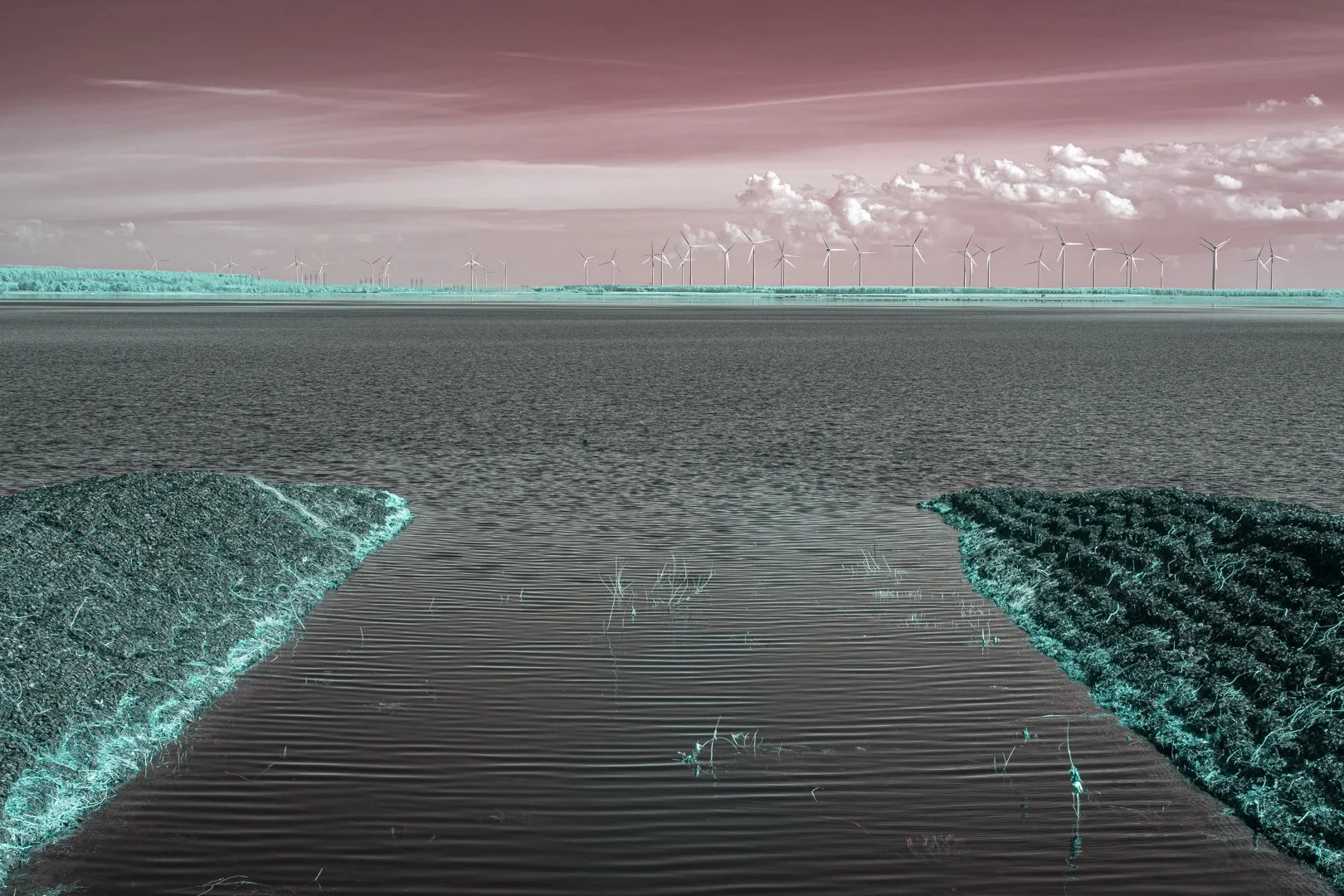
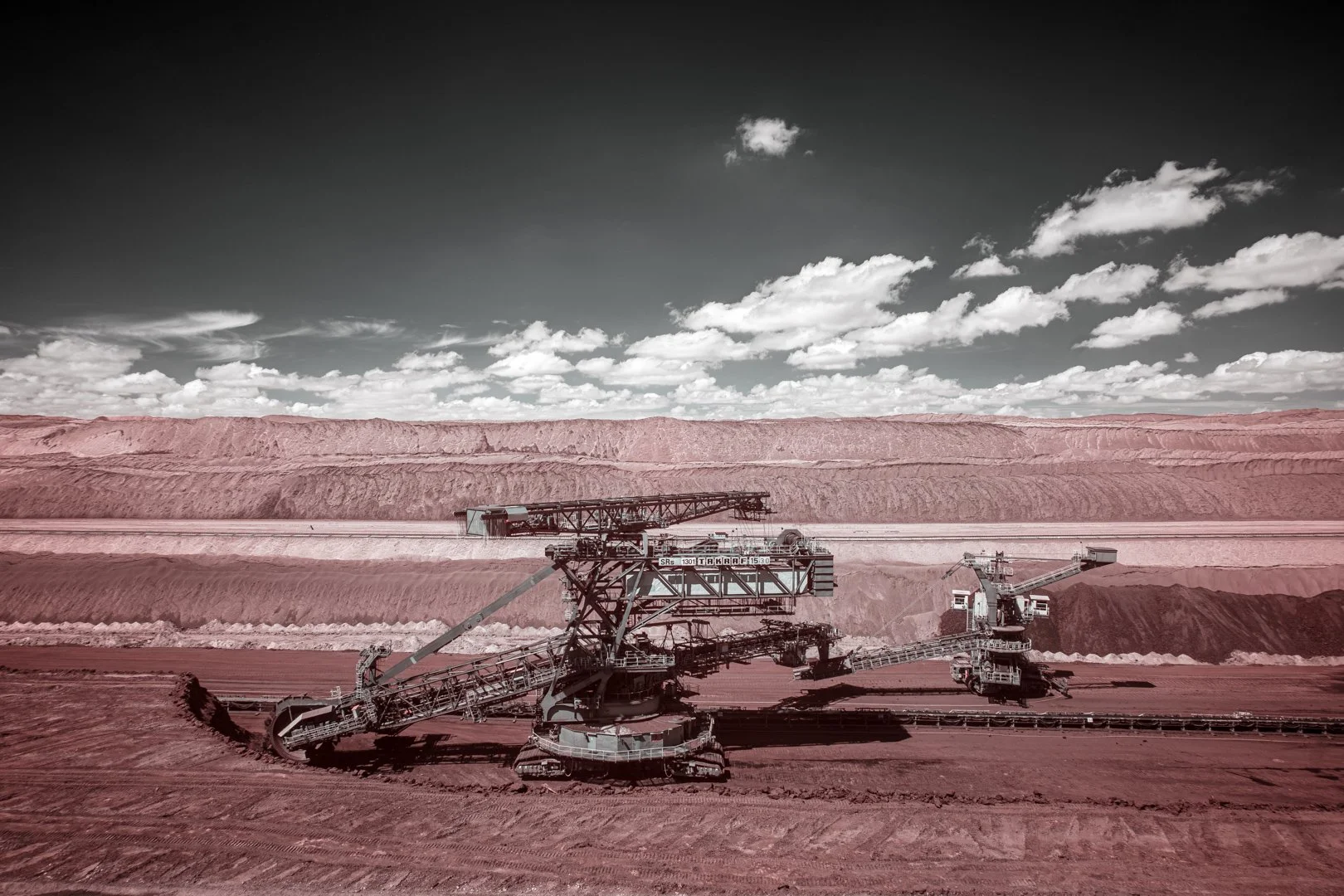
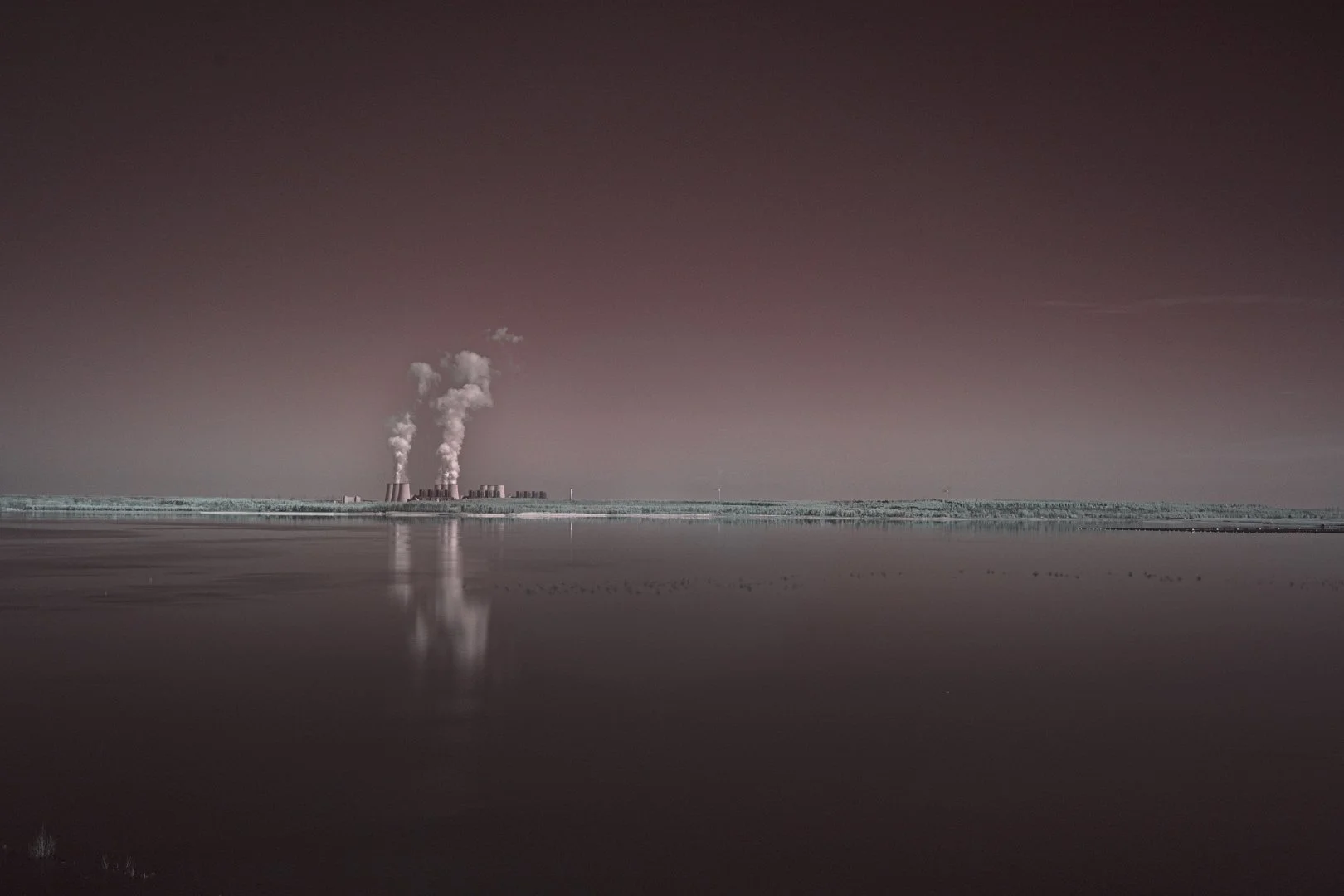
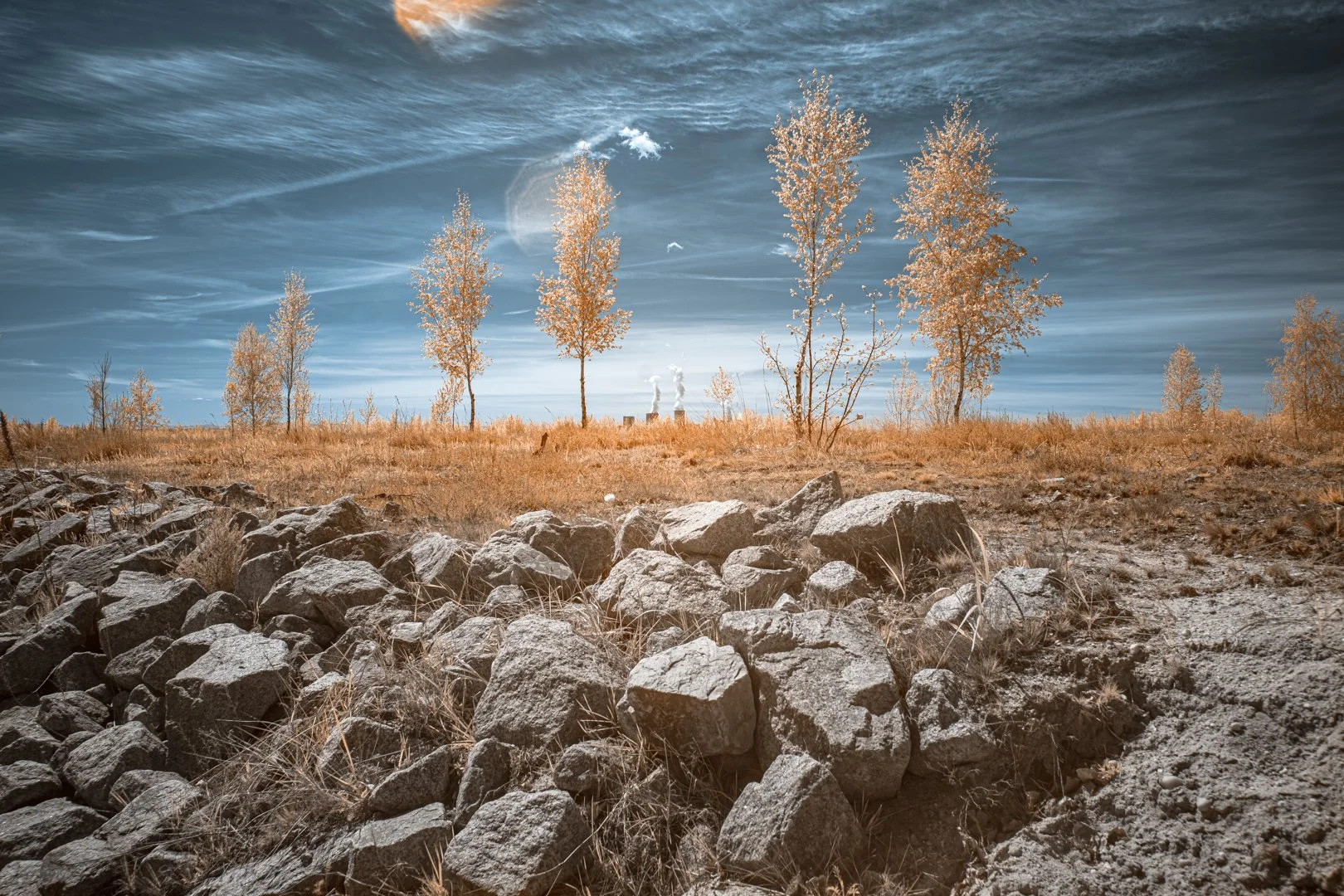
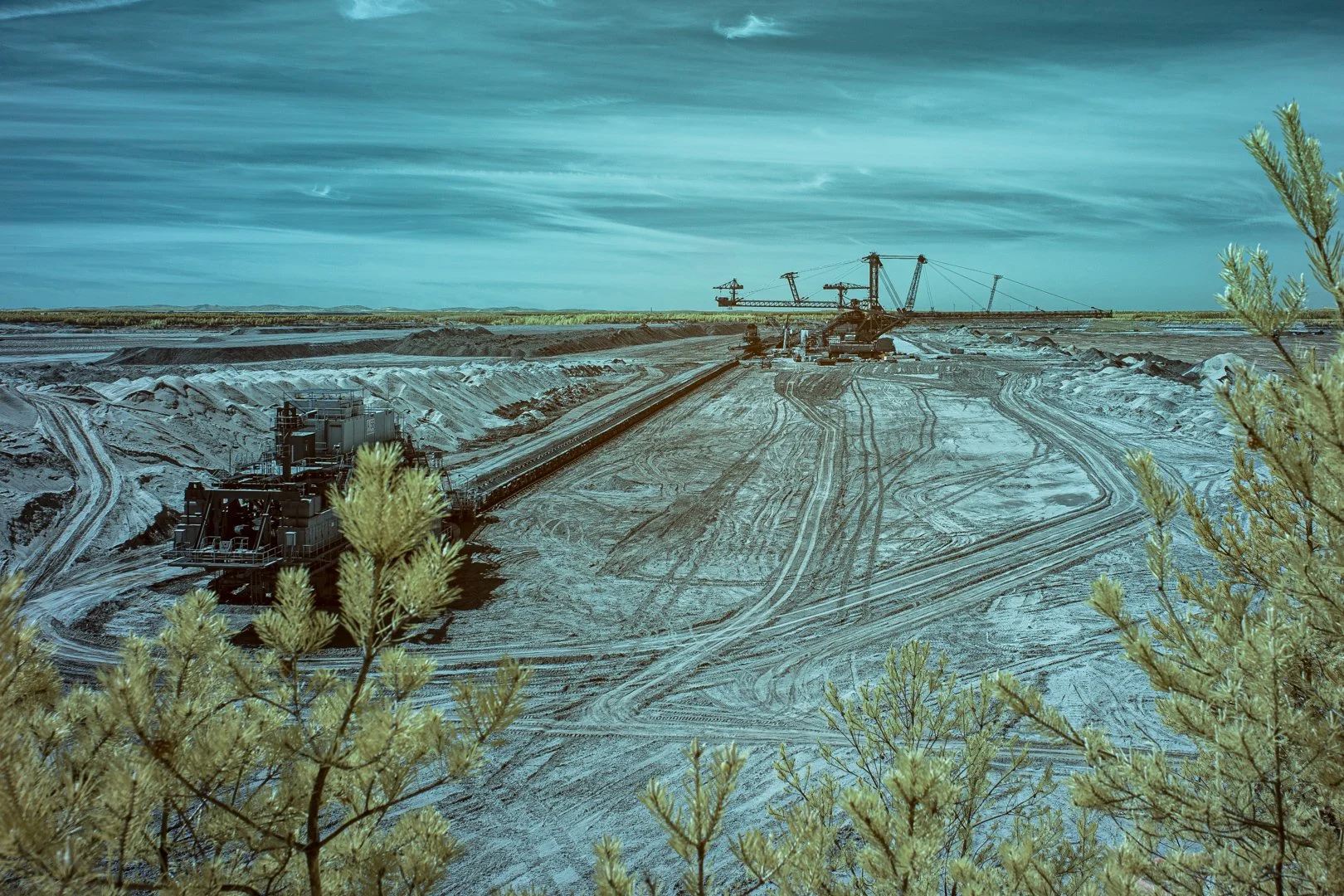
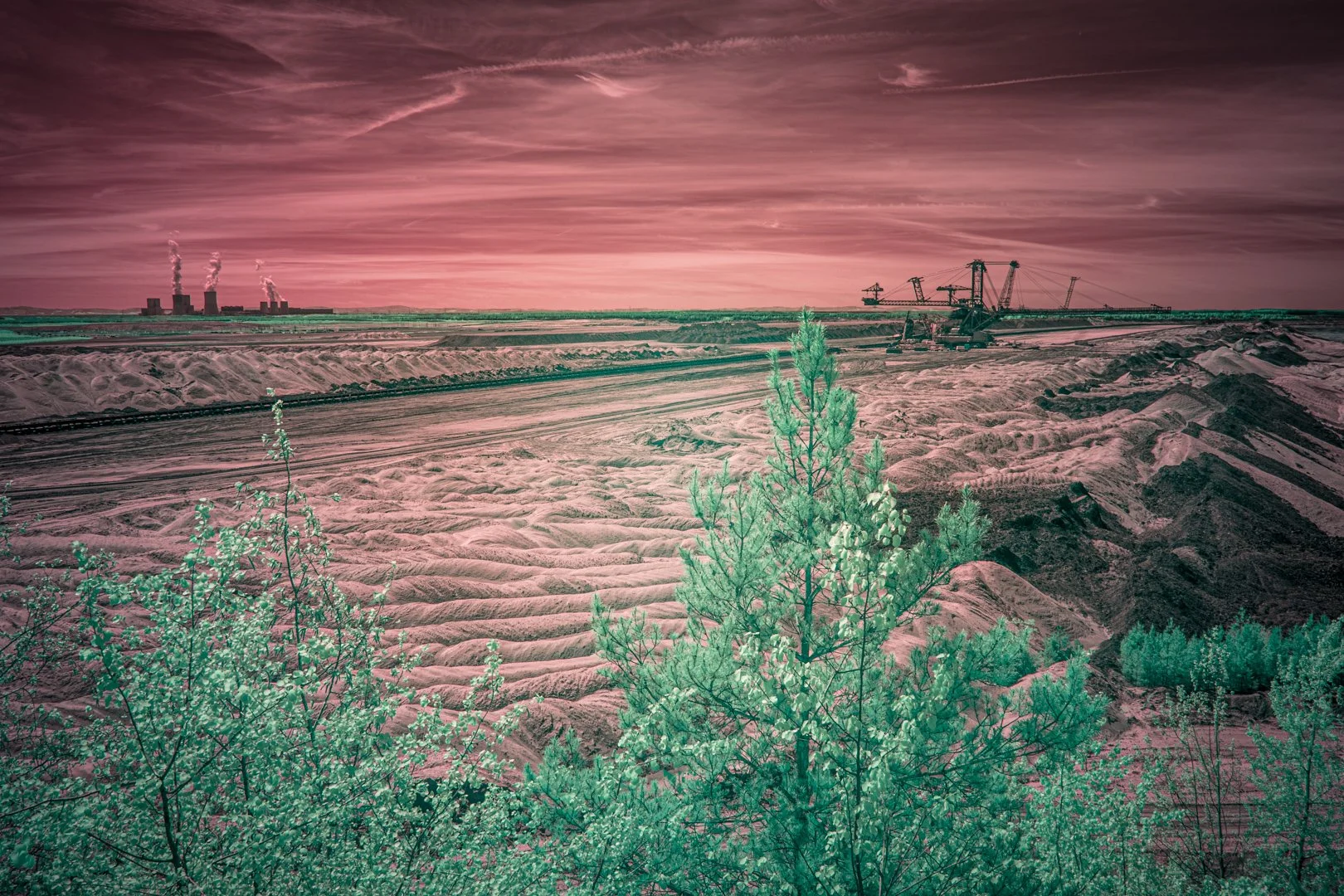
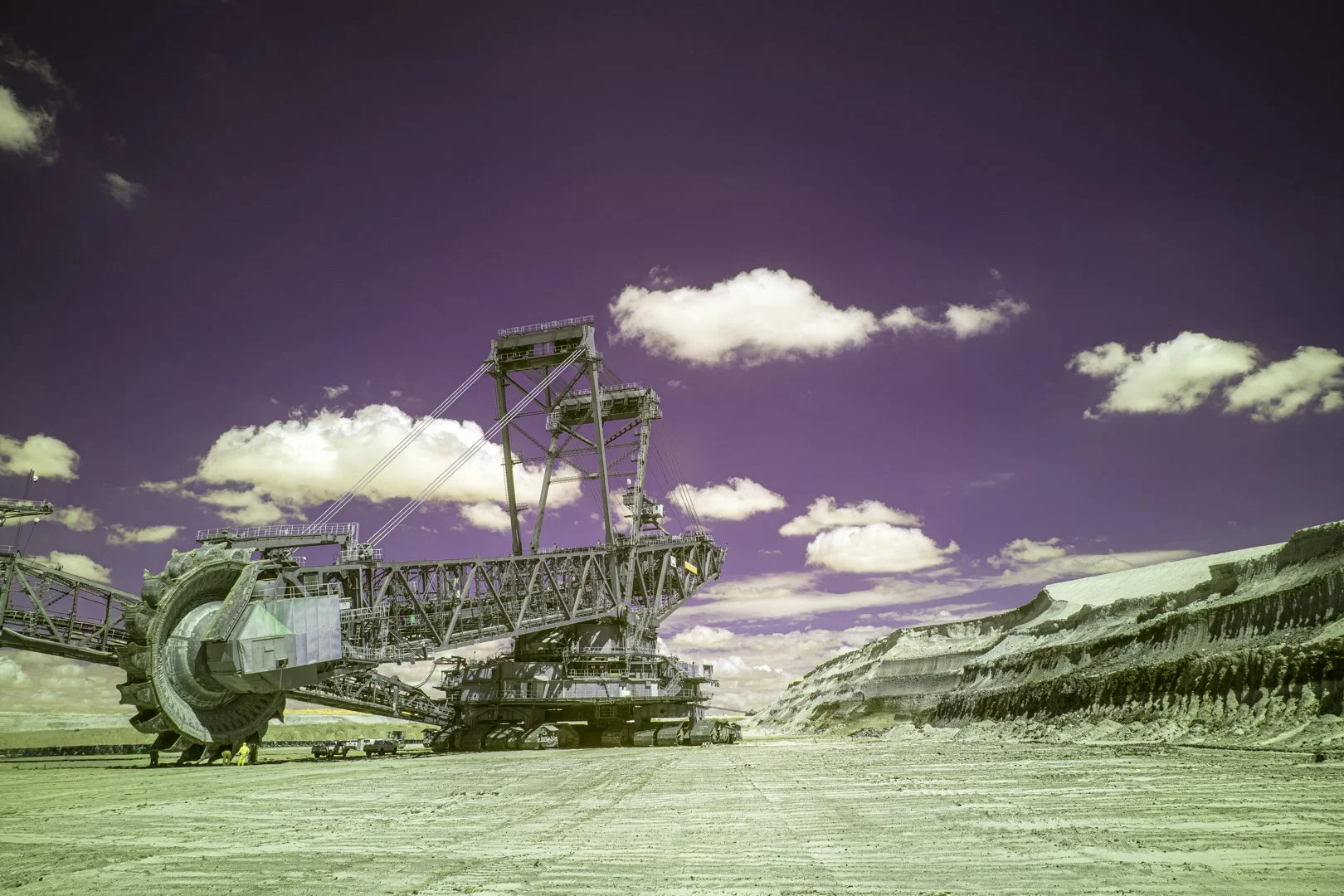
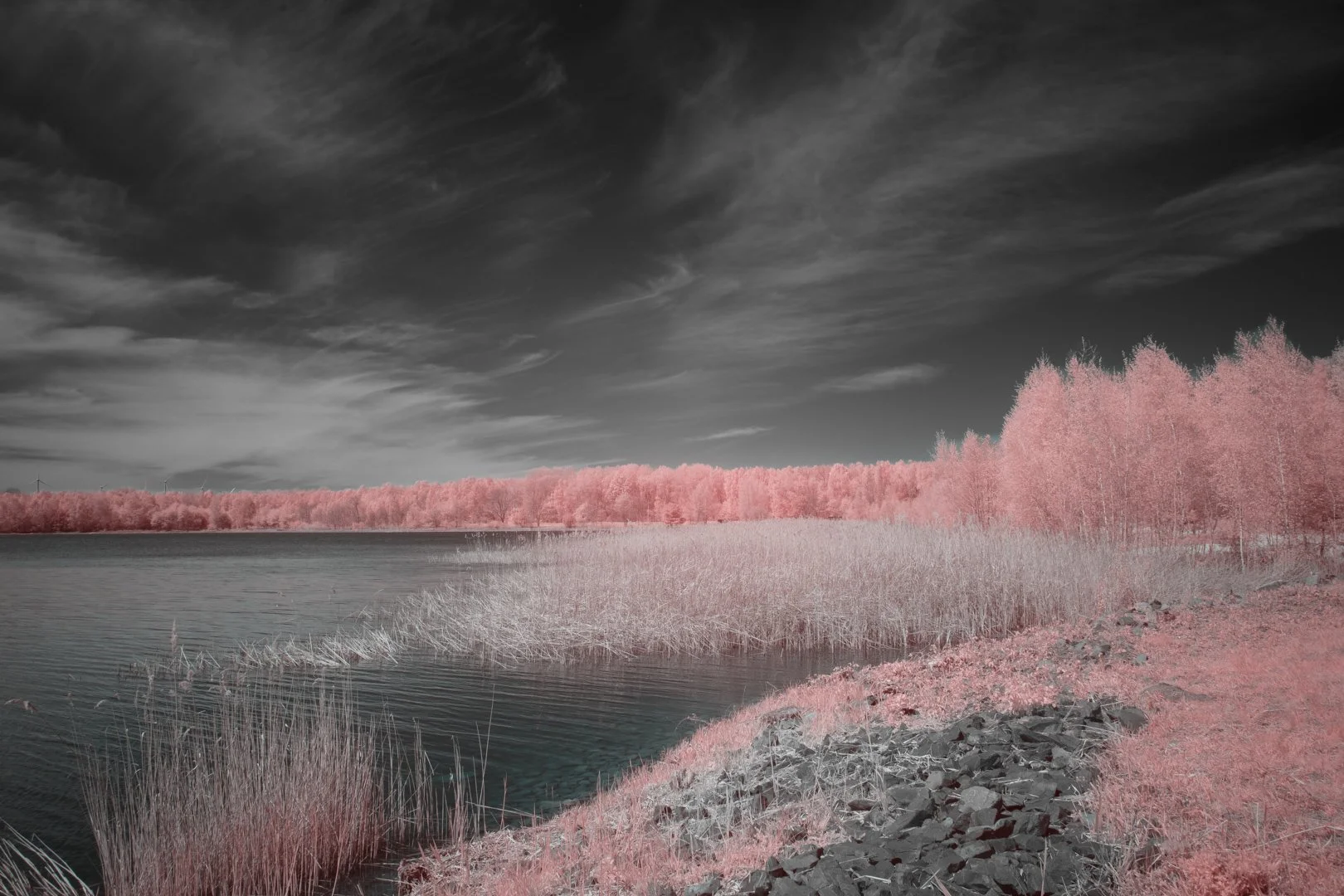
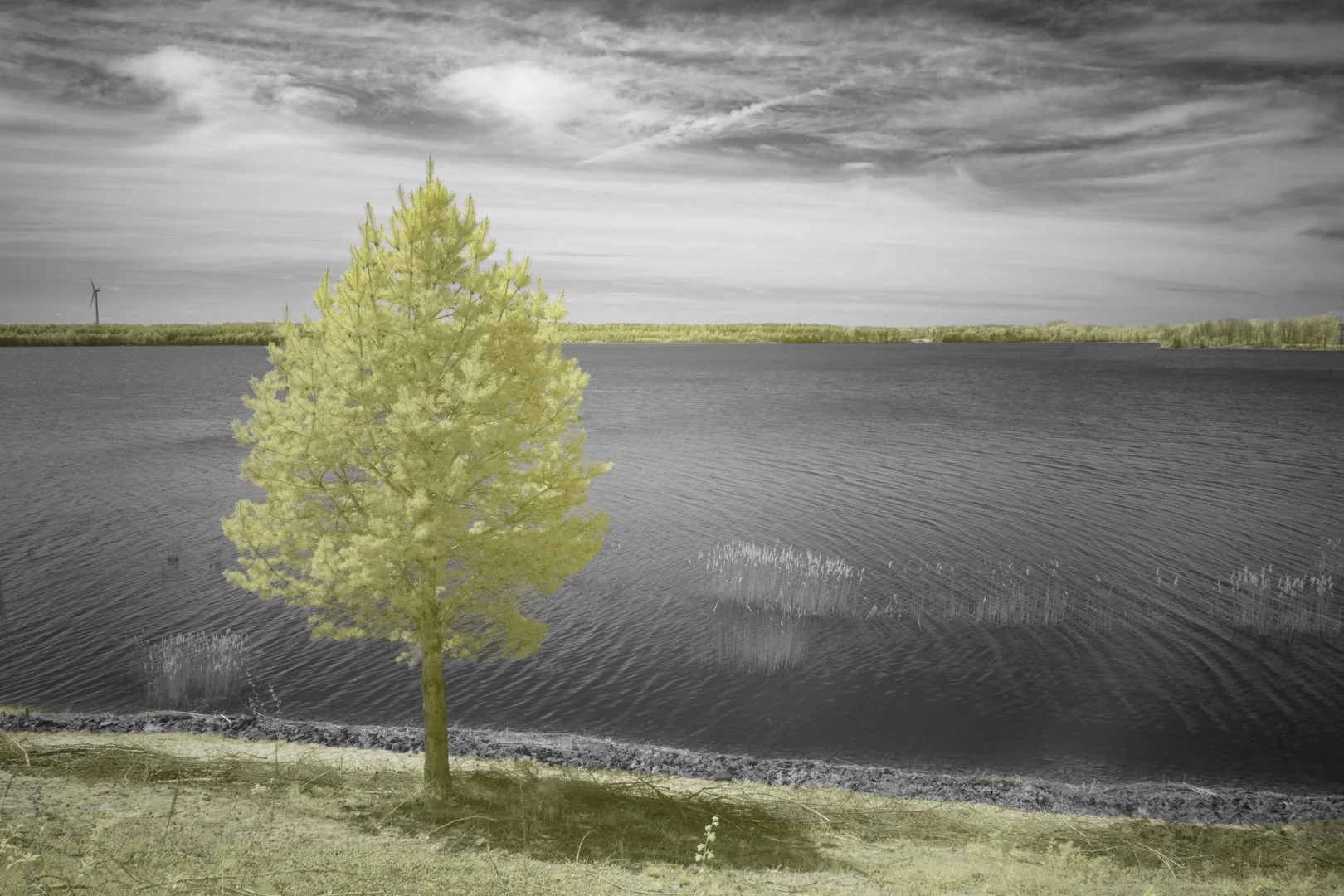
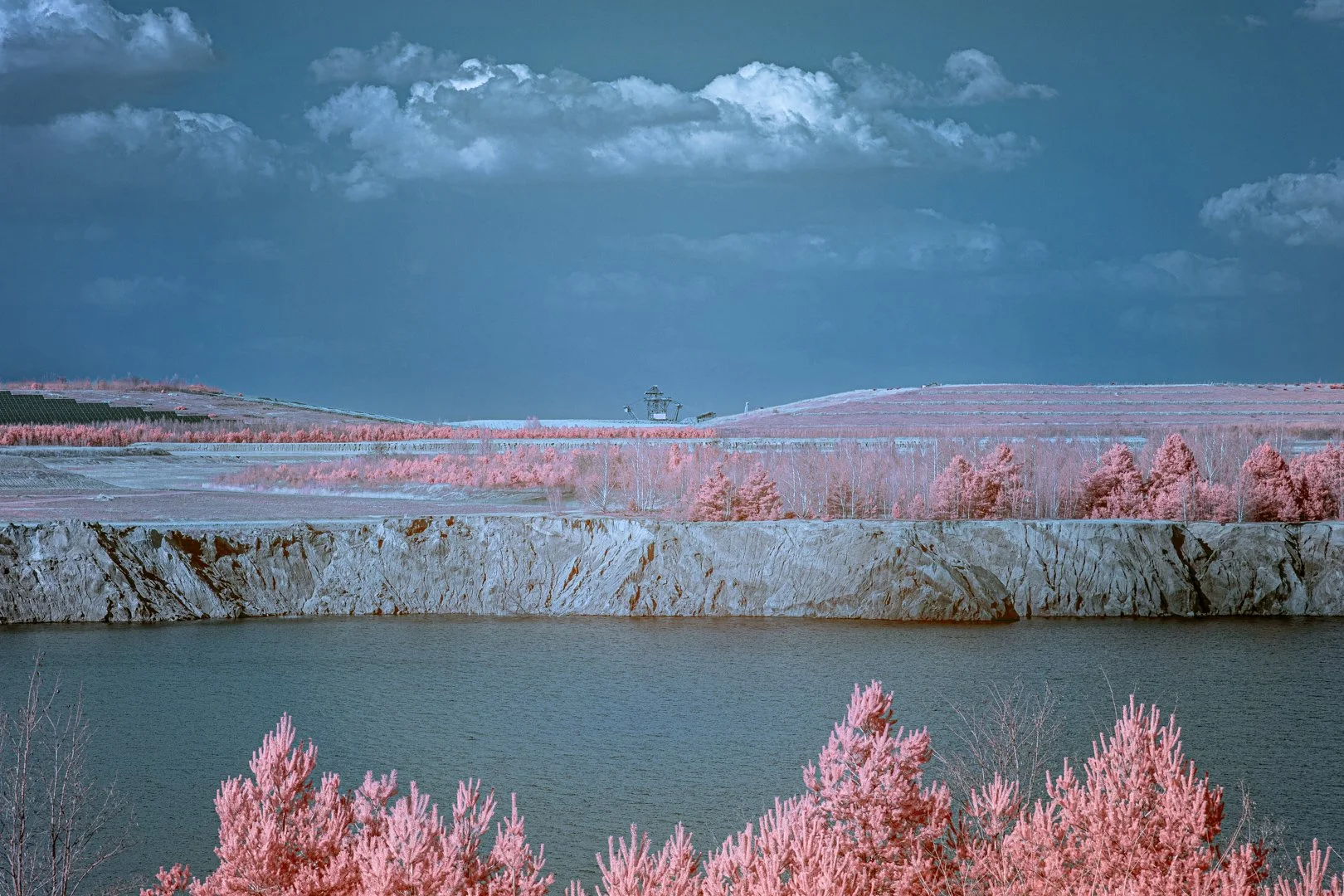
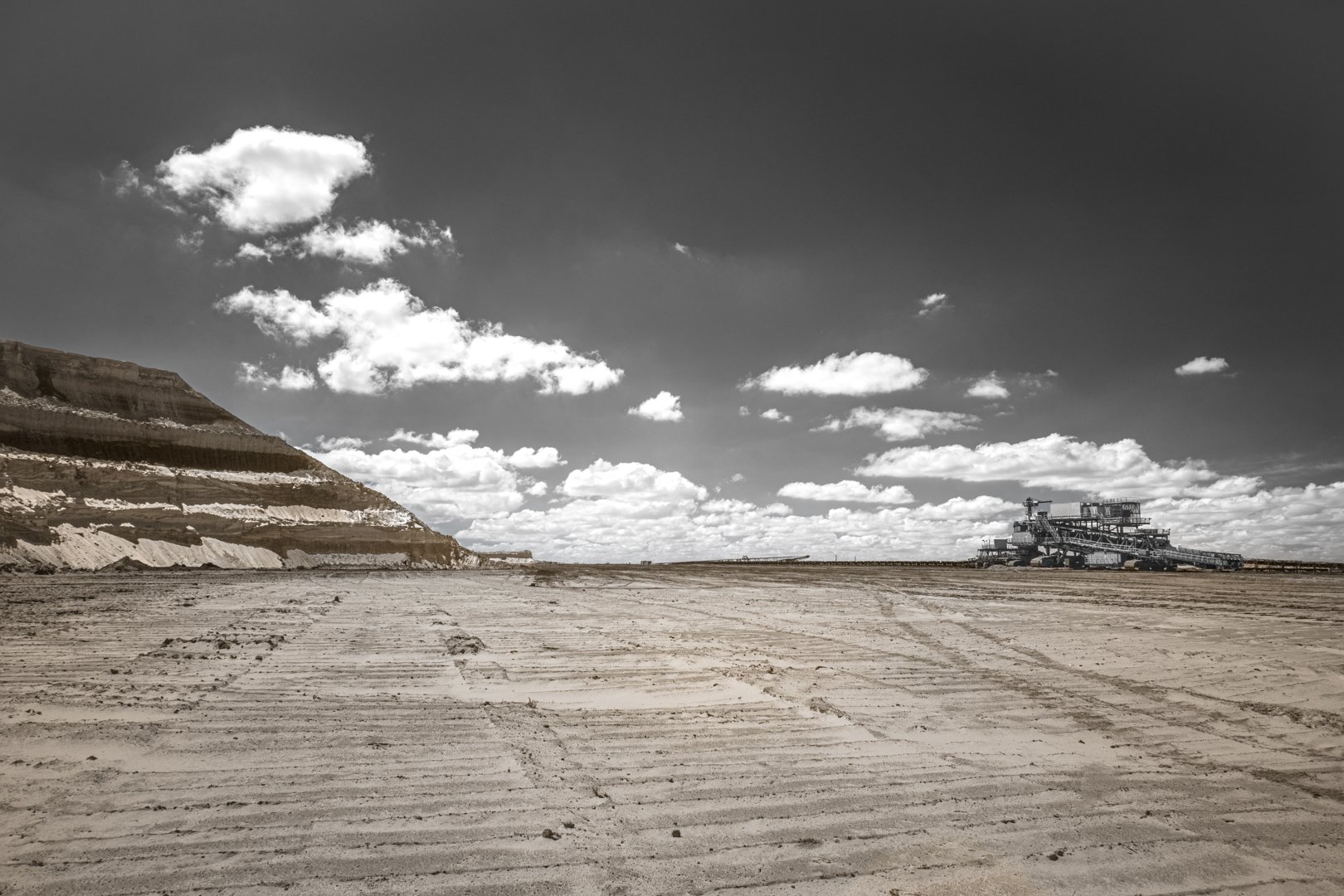
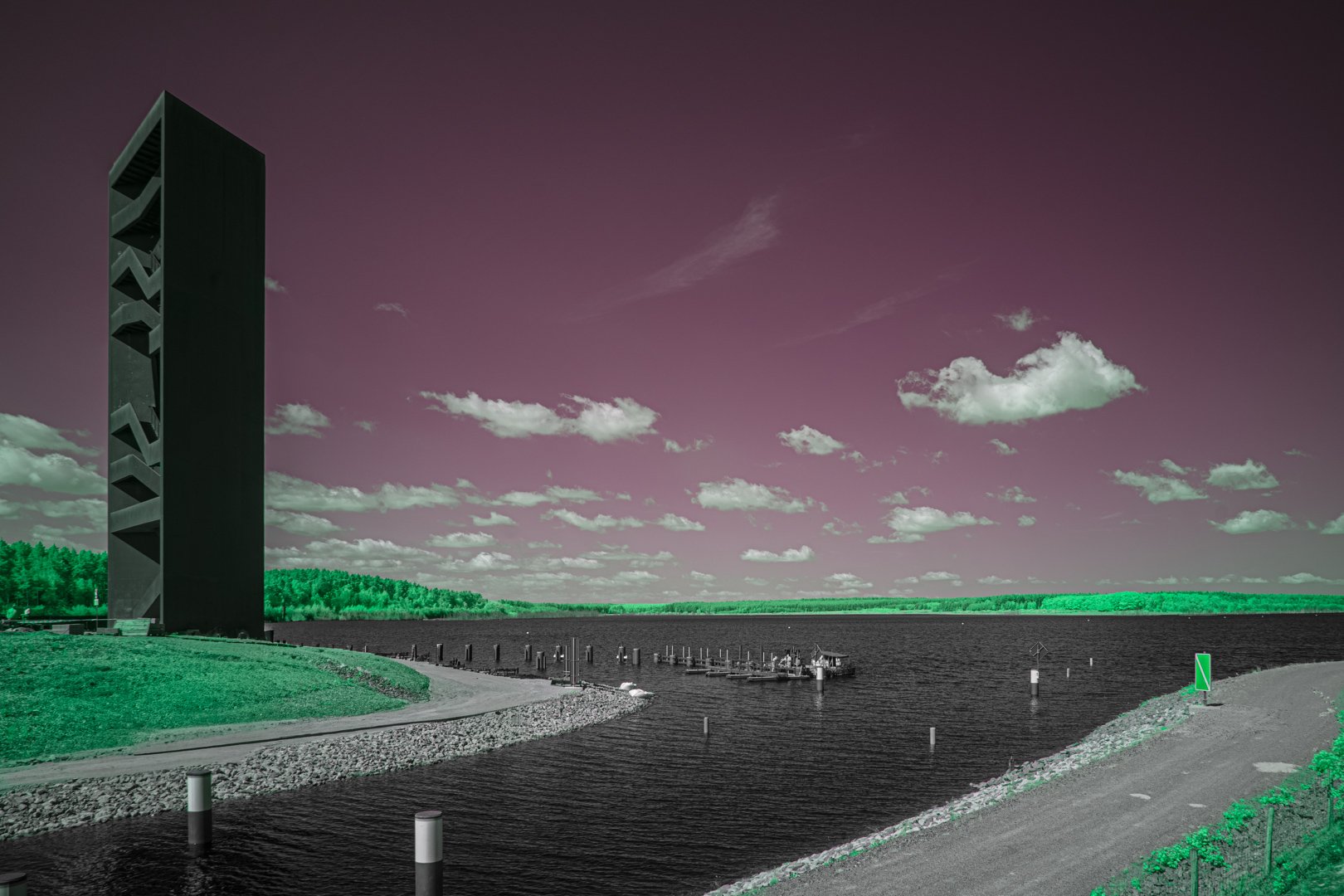
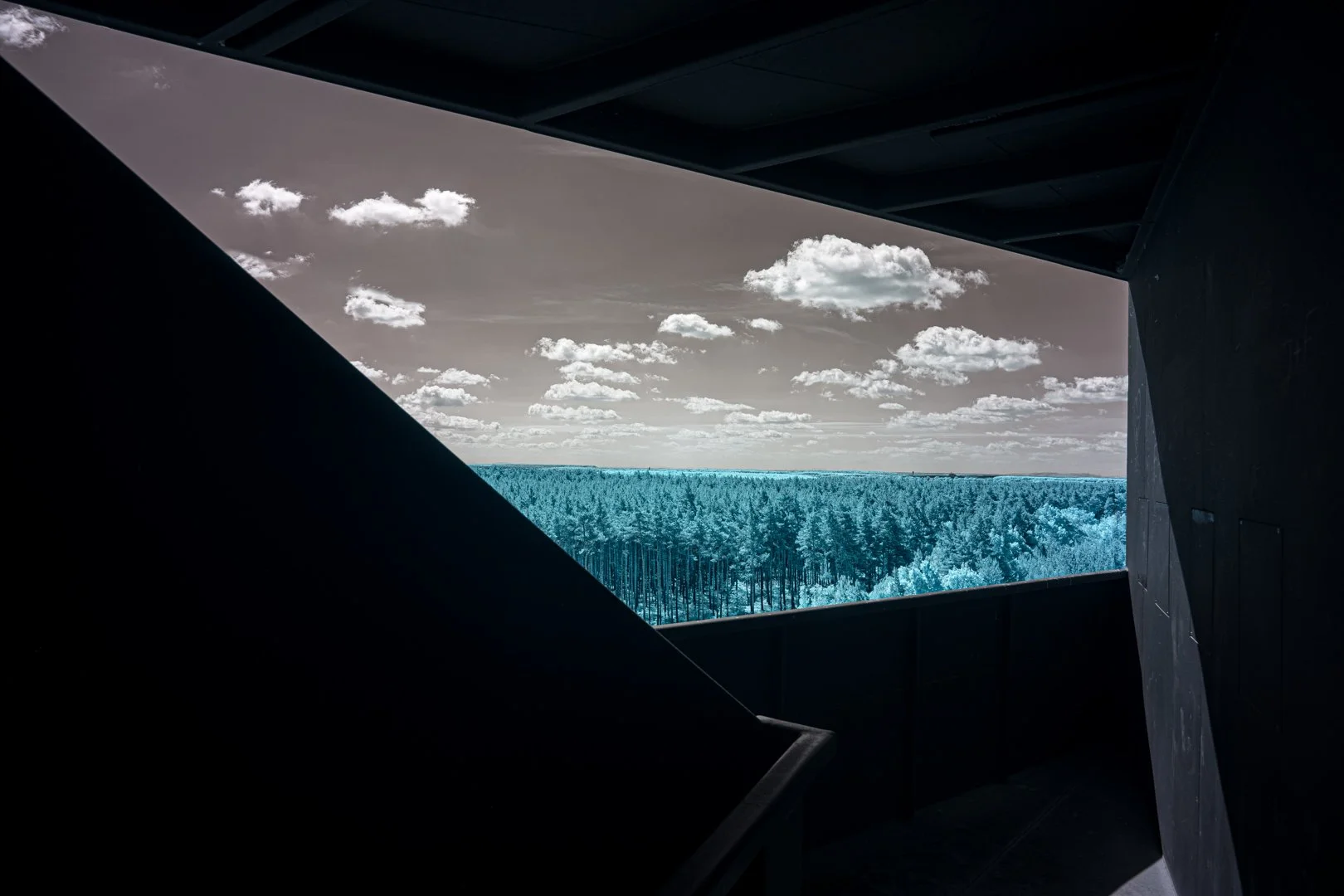
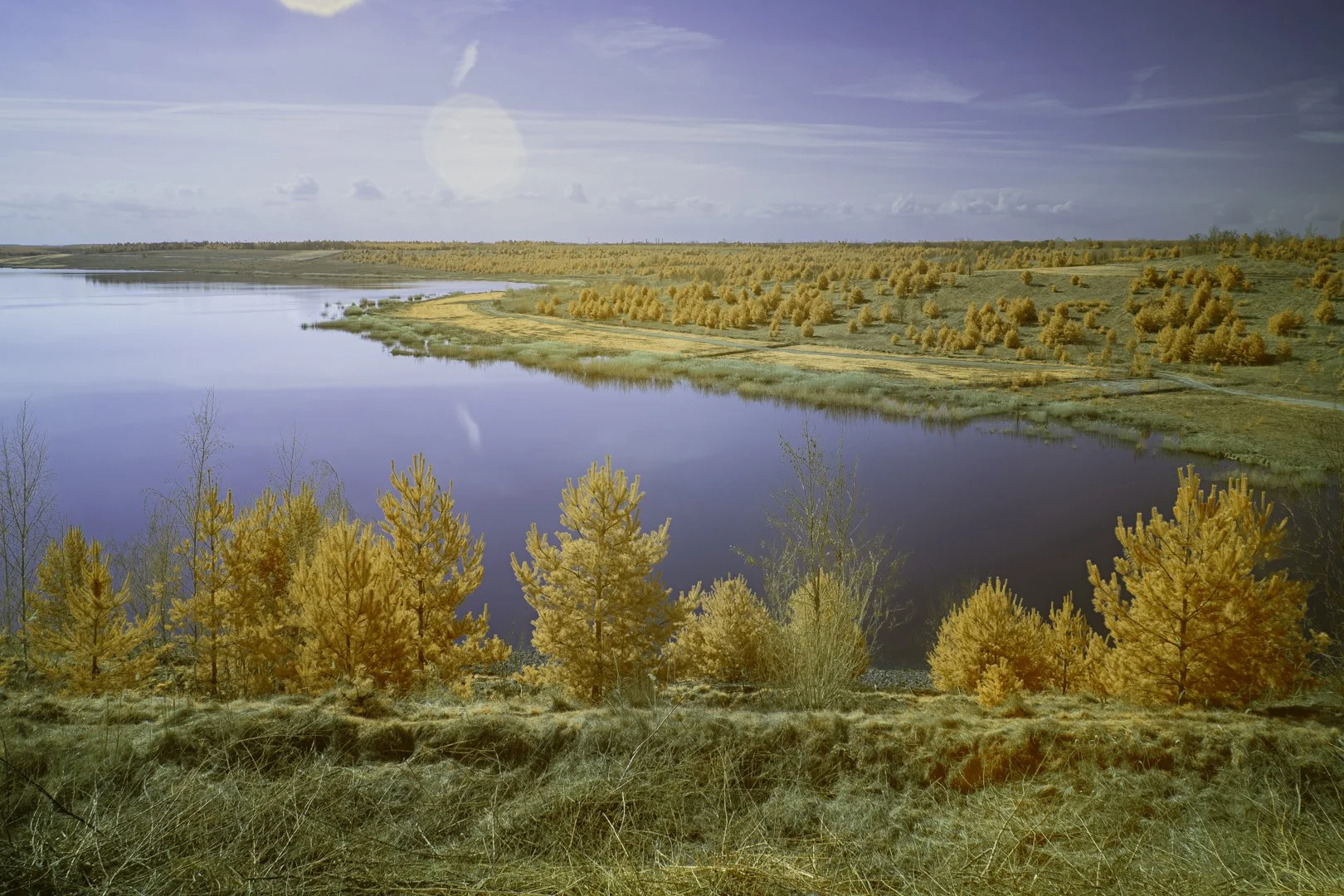
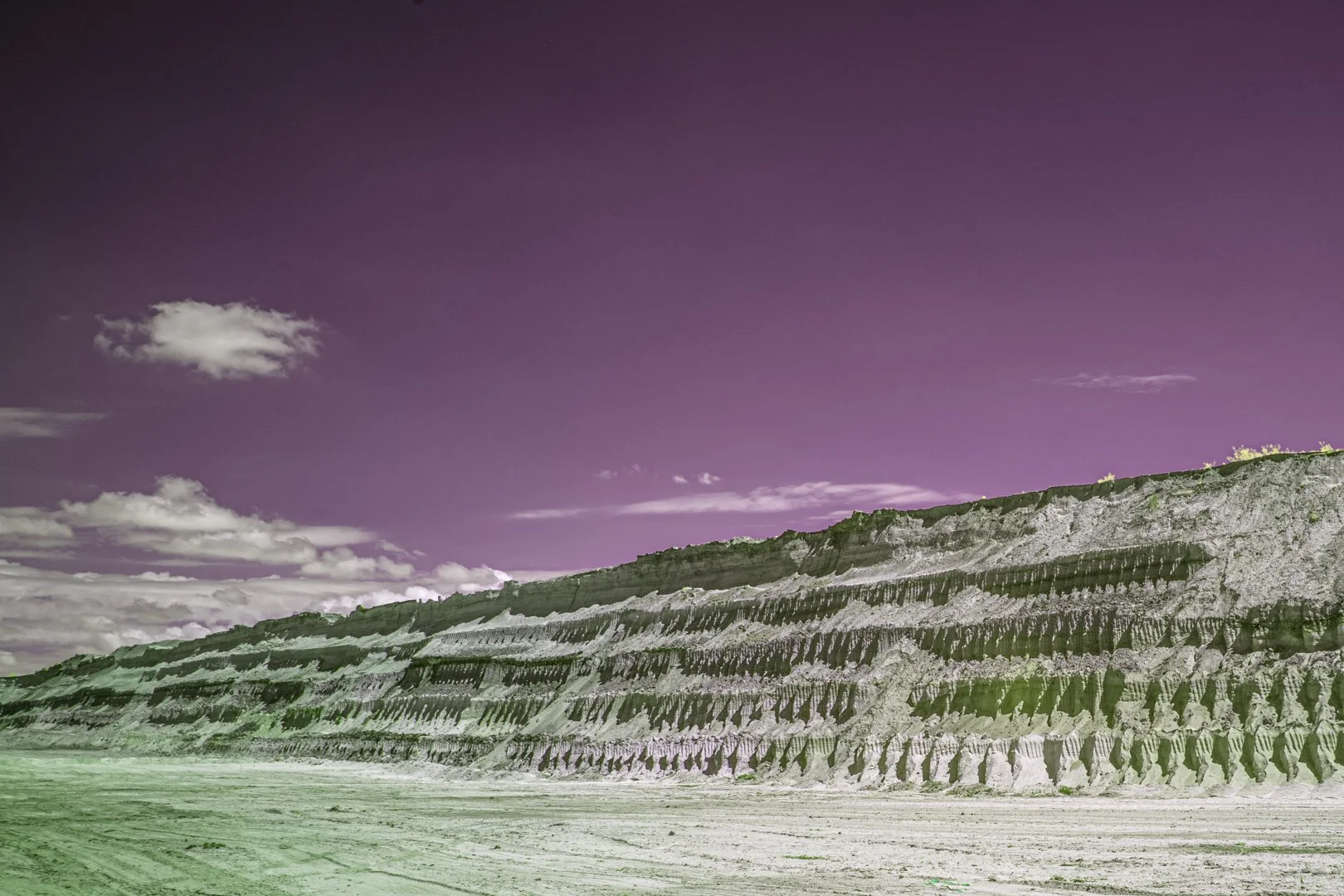
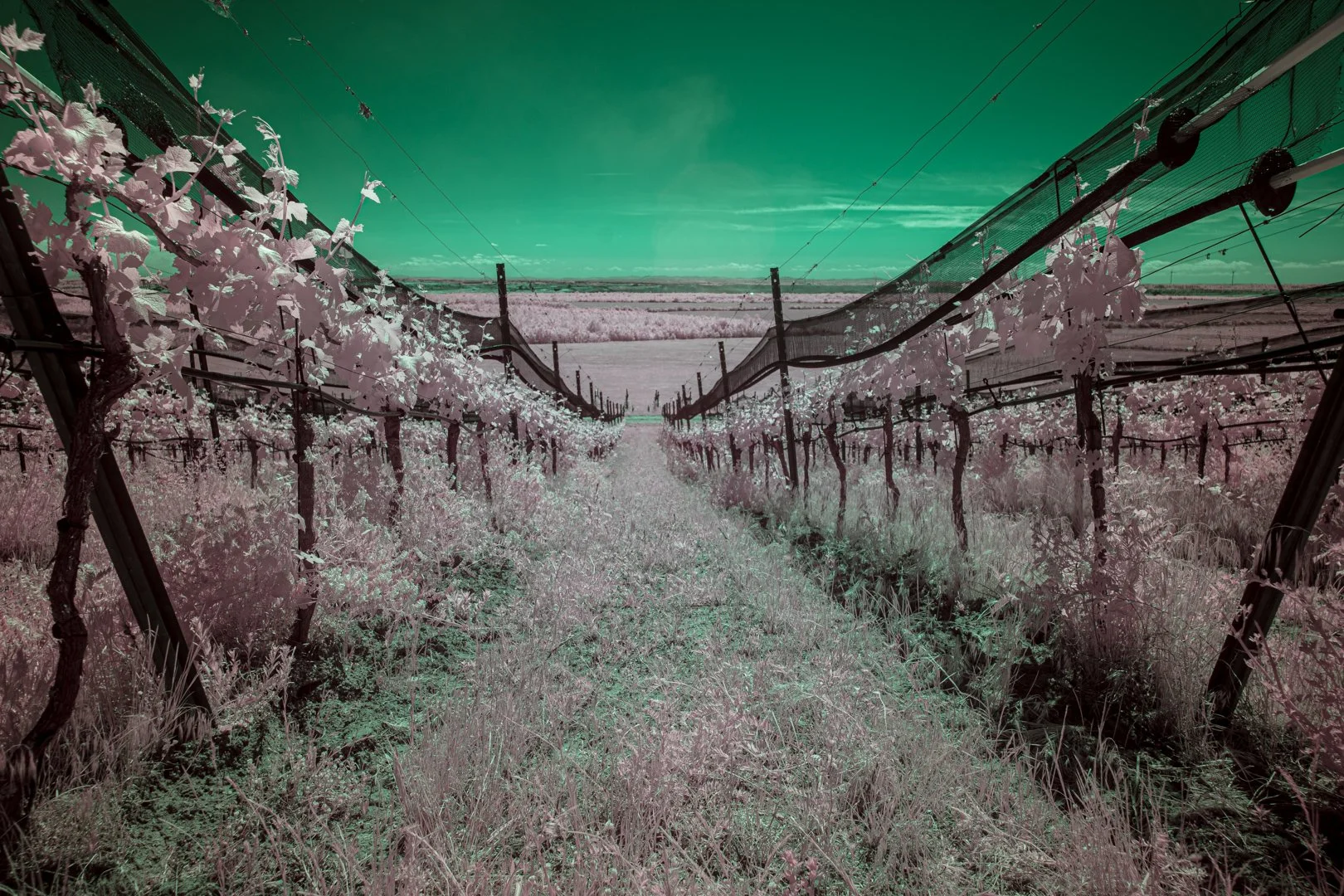
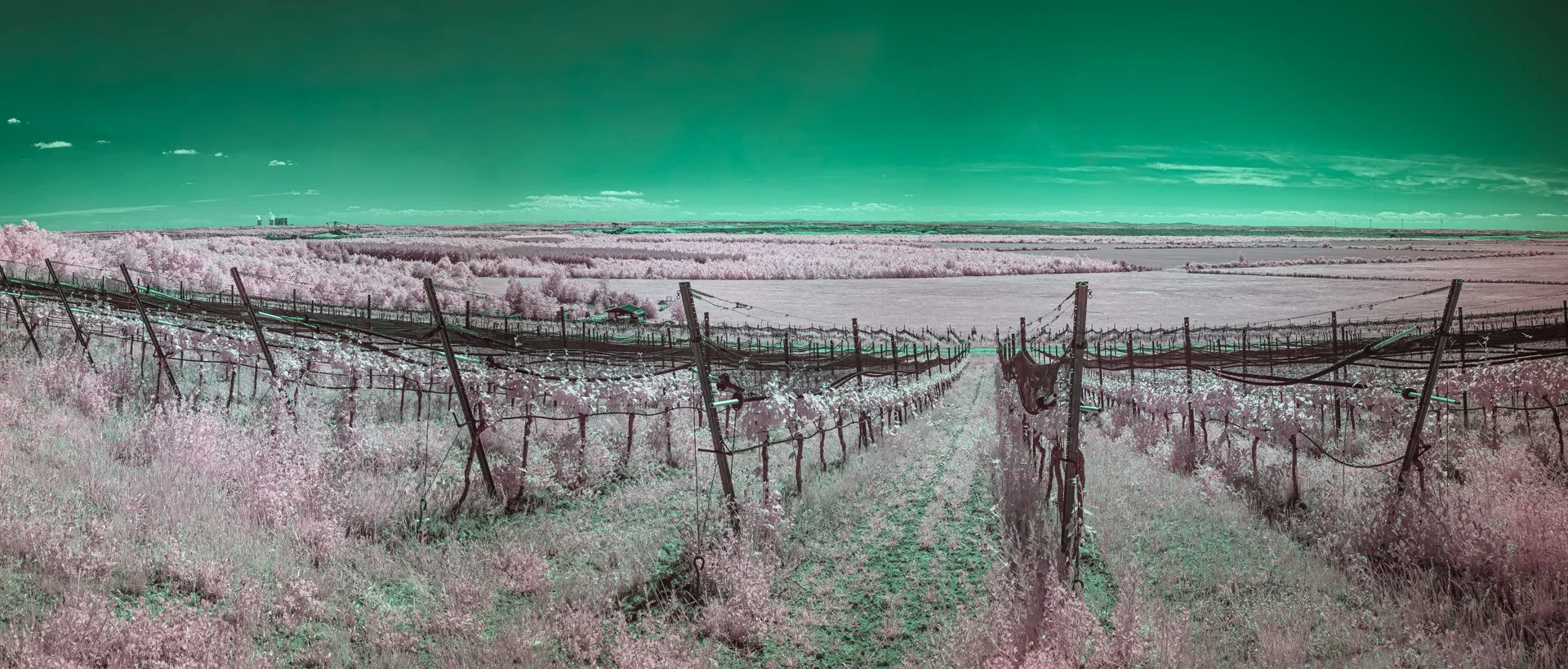
Infrared and near infrared photography enables the artist to reveal what is normally invisible to the human eye, transforming familiar landscapes into images that challenge perception and expectation.
By embracing wavelengths ordinarily concealed from us in a modern camera, the work challenges assumptions surrounding photographic truth and visual reality. The technique exists at the intersection of art and science, requiring both technical understanding and creative interpretation in the processes of image capture, filtration, and color management. Through experimentation, the medium allows the photographer to move beyond straightforward documentation and instead construct images that encourage closer inspection.
The resulting photographs invite the viewer to slow down, spend time with the image, and reflect on meanings that are not immediately apparent. By altering the way light is recorded and represented, infrared photography becomes a tool for questioning how we see the world and how much remains hidden beneath the surface.
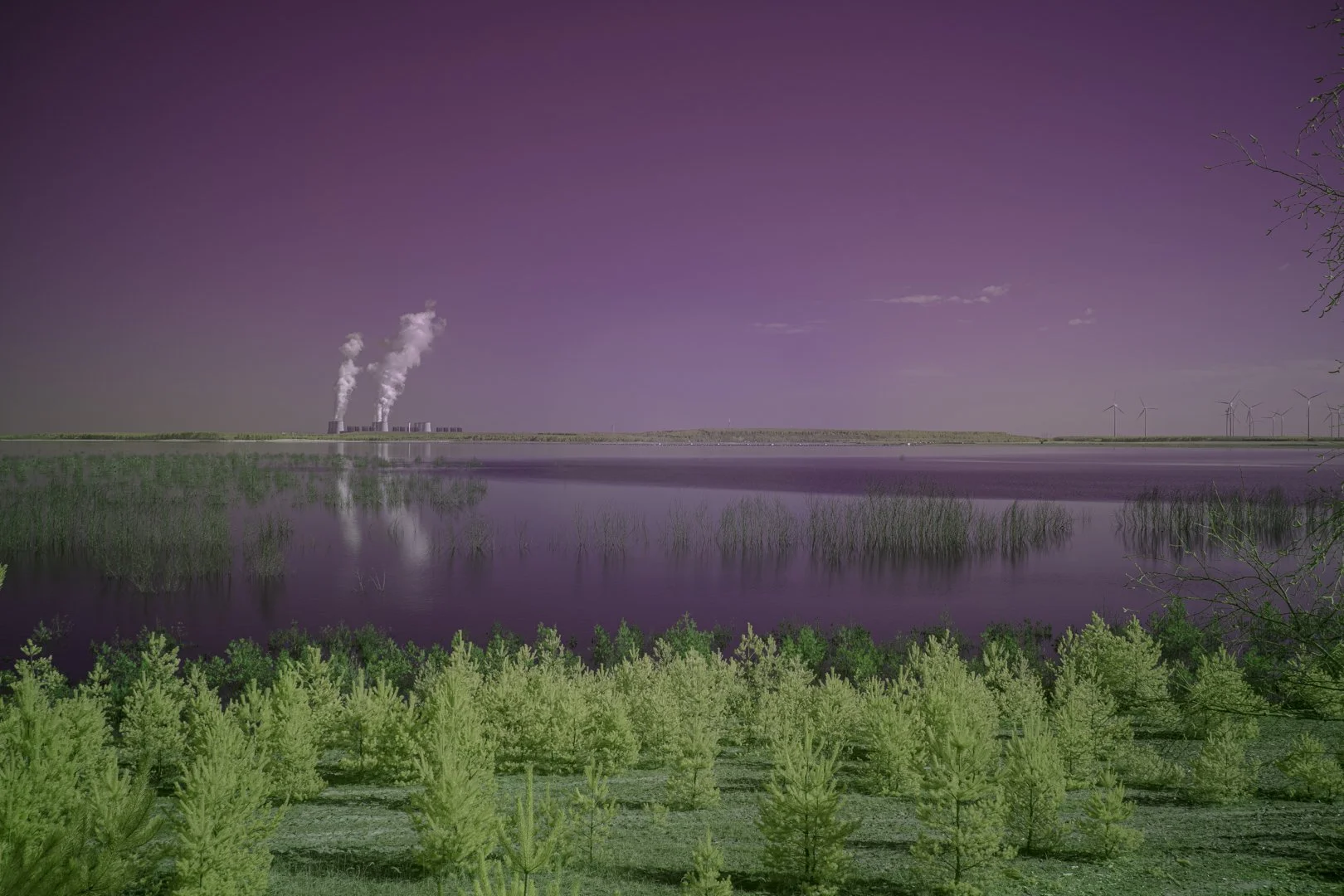
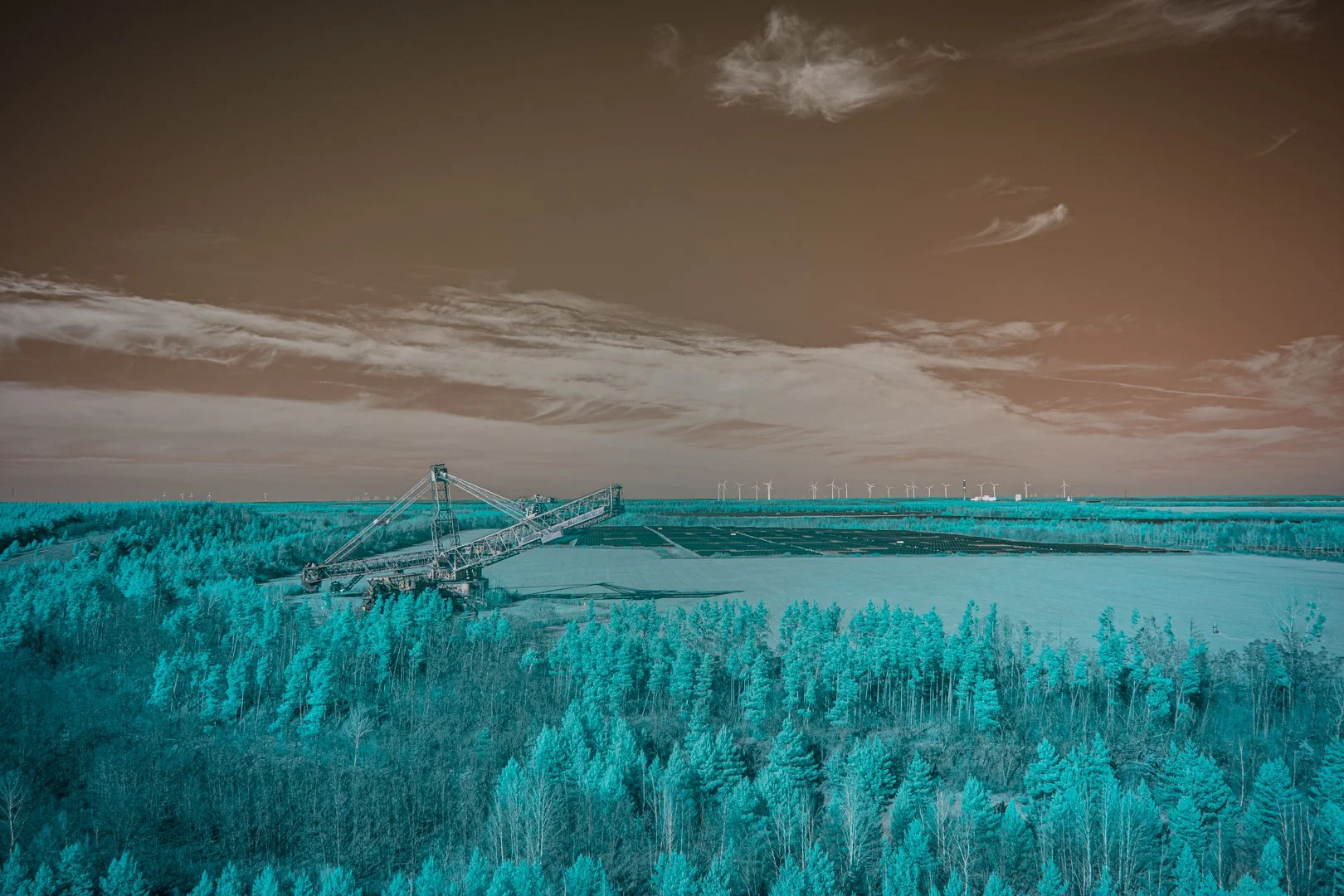
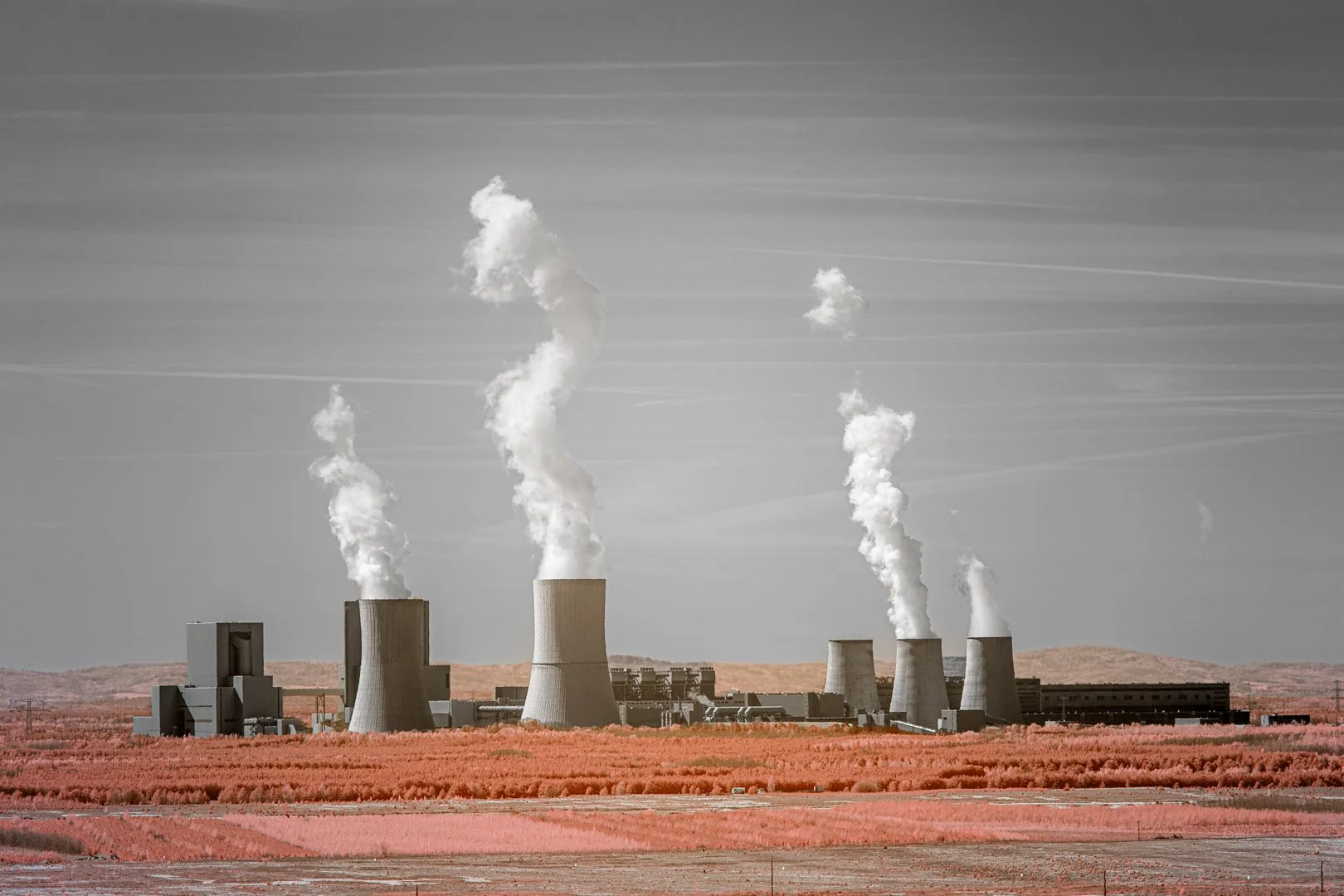
The project is intended as an artistic representation of the industrial and environmental landscape of the Tagebau region in southern Brandenburg and Lausitz, an area shaped by decades of open-cast mining that has undergone profound changes following German reunification.
The region stands as a living example of Germany’s Energiewende, where the shift away from coal has brought both renewal and uncertainty. Communities here continue to experience demographic, economic, and ecological transition, making the landscape a record of both past industry and future possibility.
Nearly forty years after unification, these photographs capture a moment within an ongoing process of transformation, using the altered visual language of infrared to reflect the tension between memory, adaptation, and the search for a sustainable future.